A coach does not need a big channel to book clients from YouTube. A coach needs a channel named after the problem, a video a week that answers what prospects type, one lead magnet, and the patience to reach the point where the algorithm trusts the channel. Here is the system, with the numbers.
Coaches get clients from YouTube by answering the exact questions their prospects type, under a channel named for the problem rather than the coach, at a pace of one video a week. The channel does not need to be big. It needs to be found by the right 1,000 people, and then it needs a single next step that leads to a conversation.
Key Takeaways
- Name the channel after the problem you solve. Nobody is searching your name yet.
- One video a week beats four in a weekend and none for a month. Expect 12 to 15 consistent uploads before YouTube starts trusting the channel.
- Four kinds of videos carry a coaching channel: the question video, the walkthrough, the before and after, and the objection video.
- Measure booked calls, not views. A coaching channel with 1,000 subscribers and a working lead magnet outperforms one with 50,000 and no next step.
- Gemini now reads your video, so the title, the first 30 seconds and the description have to say the same thing in plain words.
If you want the honest read on your own channel, the YouTube Deep Dive is a written audit of your channel delivered before a 60 minute call, $497, credited in full toward your first month of coaching if you continue.

Why does YouTube work for coaches when Instagram does not?
YouTube works for coaches because it is a search engine with a video player attached. A prospect types "how do I stop being the bottleneck in my business" at 11 PM, finds your 12 minute answer, and spends 12 minutes with you before you know they exist. Instagram shows your reel to people who were not looking for you and forgets it a day later.
I run three channels of my own with a combined 282,000 subscribers, and I coach as a Tom Ferry Mastery Coach with more than 20,000 hours of one-on-one calls behind me. The pattern I see across my own clients is simple: the ones who treat YouTube as a library of answers get calls. The ones who treat it as a stage get views.
A coaching sale is a trust sale. Trust takes time with a person, and the only place a stranger will willingly give you 12 uninterrupted minutes is a video they chose to watch. That is the whole reason this platform fits coaching and almost nothing else does.
What should a coach name the channel?
Name it after the search, not after you. "Leadership Coaching for Owner Operators" will be found. "The Jane Smith Show" will not, because nobody is typing Jane Smith yet. The exception is a coach with an existing audience from a book or a stage; everyone else is starting from zero recognition and should borrow recognition from the problem.
The test I give clients on the Deep Dive call: read your channel name to a stranger and ask them what they would learn by subscribing. If they pause, the name is about you. Rename it.
Which videos actually book coaching calls?
Four formats carry every coaching channel I have audited that produces clients. Run them in rotation and you never run out of ideas.
The question video
Take one question a prospect would type and answer it completely in the first minute, then spend the rest of the video showing the work. "How do I know if I need a coach or a course" is a question video. It is searched, it is specific, and the person asking is close to buying.
The walkthrough
Open your actual framework and walk through it with a real example. Coaches worry about giving the method away. In 20,000 hours I have never lost a client because they saw the framework on YouTube first; the framework is not the product, the accountability is.
The before and after
With permission, tell one client's story with the numbers. One of my clients, Scott, had 200 subscribers after 12 years on YouTube. Ninety days after applying the system he had 2,000 subscribers and $87,000 in commissions, and over $300,000 by year end. A story like that, told plainly, is the most watched kind of video a coach can make, and it is the one most coaches never record.
The objection video
"Is coaching worth it if I am already busy." "What if I cannot afford it yet." Record your honest answer to every objection you hear on sales calls. These videos do the selling before the call, which is why calls with people who found you on YouTube are shorter and close more often.
How often should a coach post, and for how long?
One video a week, every week, for a year. In my experience it takes 12 to 15 consistent uploads before the algorithm starts trusting a channel enough to test it with new viewers, and most coaches quit at video six. The videos do not need to be long; 8 to 15 minutes is the range where a question gets answered properly and the viewer stays to the end.
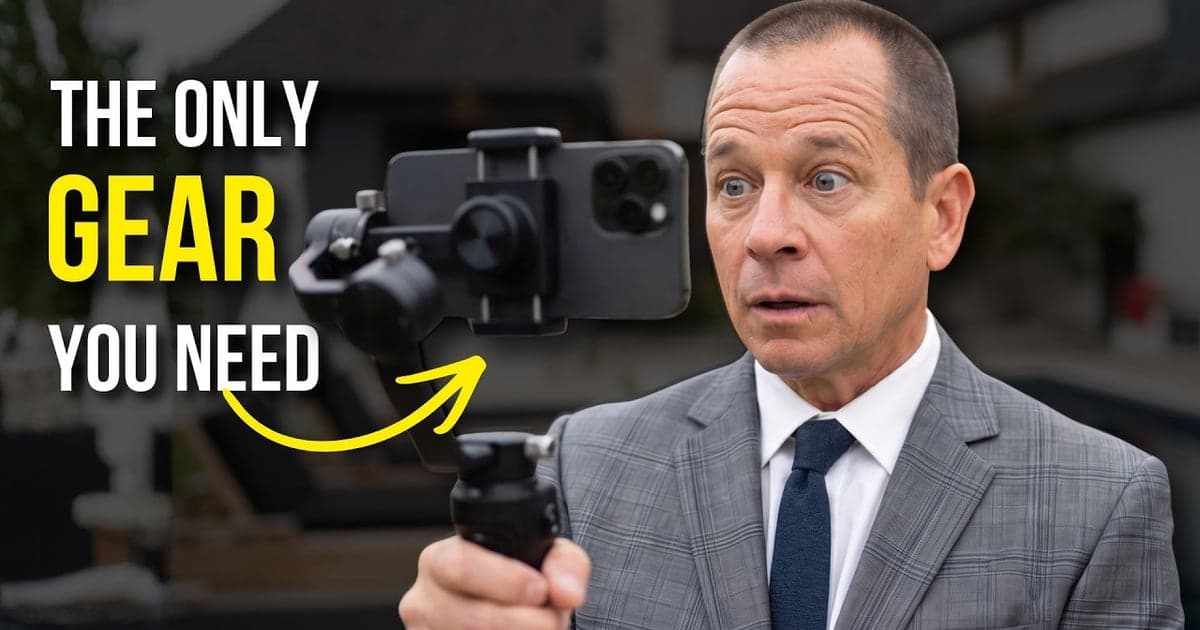
The rhythm matters more than the gear. A phone on a tripod, a window for light, and a $30 microphone produce a better coaching channel than a studio you only use twice. My clients who post weekly from a plain office outperform the ones waiting on a videographer.
What is the right lead magnet for a coaching channel?
One. The mistake is five. A single scorecard, assessment or short diagnostic that a viewer can finish in four minutes and that returns something personal to them. Mine is the free AI scorecard, which grades a business across five pillars and returns a 90 day plan. Every video points to the same place, so the channel builds one list instead of five dribbles.
Then the follow-up has to run without you. That is where AI earns its place in a coaching business: not writing your videos, but answering the first email, booking the call and reminding the prospect. I cover the setup in AI automation for coaches.
How did Gemini change YouTube for coaches in 2026?
YouTube's systems now read the content of a video, not only its title and tags. In practice that rewards the coach who says the answer out loud in the first 30 seconds and punishes the one who teases for three minutes. Title, opening line and description should all make the same promise in the words a prospect would use. I walk through what changed in the video embedded on this page.
It also means AI assistants can quote your videos. When a prospect asks ChatGPT or Gemini "how do I find a coach for a growing service business," the answer increasingly cites a specific video that answered that question clearly. Clarity is now distribution.
What are realistic numbers for a coaching channel?
The number I give agents on the Tom Ferry Podcast Experience applies to coaches too: with a video a week and a working lead magnet, plan on one to three new clients a year for every thousand subscribers. That is why 1,000 subscribers who found you by searching your problem is a business, and 50,000 who found you through a viral clip is a hobby.
Measure three things monthly: videos published, scorecard completions, and calls booked. If videos are going out and the other two are flat, the fix is the next step inside the video, not the thumbnail.
What does one week on a coaching channel actually take?
About 90 minutes, once the system is set. Here is the week my clients run.
- Monday, 15 minutes: pick the question from the running list of things prospects asked you. Write the first sentence of the video, which is the answer.
- Tuesday, 30 minutes: record. Phone on a tripod, window light, the answer in the first 30 seconds, then the work. One take is fine. Two is plenty.
- Wednesday, 20 minutes: title as the question, description with the answer restated and the lead magnet first, a thumbnail with three to five words. Schedule it.
- Thursday, 15 minutes: turn the answer into one email to your list and one post, which AI can draft from the transcript in a minute. Review, send.
- Friday, 10 minutes: look at three numbers: videos out, scorecard completions, calls booked. Add the questions you were asked this week to the list.
Coaches tell me the hard part is not the 90 minutes; it is believing the plain video is enough. It is. Rachel, a client, took a channel from 1,000 to 160,000 subscribers in 18 months with videos that look like exactly this.
What do I check first when a coach sends me their channel?
The same ten things, in order, on every Deep Dive. You can run this on your own channel today.
- Does the channel name say the problem or the person?
- Do the last ten titles read as questions a prospect would type, or as topics a coach likes?
- Does each video state its answer inside 30 seconds?
- Is there one lead magnet, named out loud and linked first, on every video?
- Is the posting rhythm weekly, or in bursts?
- Does the about section say who you help and what happens next, in two sentences?
- Do the playlists match the four formats: questions, walkthroughs, before and afters, objections?
- Is there a before and after story with real numbers anywhere on the channel?
- What happens in the first ten minutes after someone fills out the lead magnet form?
- Which three numbers does the coach look at each month, and are any of them views?
A channel that passes seven of the ten is usually a quarter away from booking calls. A channel that fails the first two is the easiest to fix and the most common.
Which two mistakes make a coaching channel look like every other coaching channel?
The first is the motivational opener. Music, a montage, a line about mindset. The viewer typed a question; give them the answer. The second is the generic topic: "five habits of successful entrepreneurs." Nobody who is about to hire a coach typed that. They typed "how do I get my team to stop bringing me every decision," and the coach who answers that one, specifically, with an example from a real client, is the coach they remember when they finally pick up the phone.
Where should a coach start this week?
Write down the 20 questions you answered on sales calls last month. Rename the channel if the name is yours. Record the first question video on your phone, say the answer in the first 30 seconds, and point to one lead magnet. Then do it again next week. If you want a second set of eyes before you commit a year to it, the YouTube Deep Dive is where I read your channel and hand you the plan. If you are a real estate agent, your path runs through Tom Ferry coaching, where I coach.
Frequently Asked Questions

Written by
Aaron CuhaAuthor of Crazy Simple YouTube, keynote speaker, and executive coach with 20,000+ hours logged. NLP Master Practitioner and DISC Certified. Aaron helps entrepreneurs replace hustle with AI-powered systems that generate leads, content, and revenue on autopilot.